BLOG RESTART PROJECT
The Importance of Aquatic Sports for People with Disabilities
Aquatic sports such as paddling, rowing, and canoeing play a crucial role in the integration of people with disabilities into active life. These activities are not only physically beneficial but also promote mental well-being and social inclusion, making them an excellent avenue for enhancing the quality of life for individuals with disabilities.
Physical Benefits
One of the most significant advantages of aquatic sports is the physical benefit they offer. Engaging in activities like paddling, rowing, and canoeing helps improve cardiovascular health, build muscle strength, and enhance flexibility. For people with disabilities, these benefits are particularly important. Water provides a unique resistance that is both gentle and effective, allowing for a full-body workout without the high impact on joints and muscles that land-based exercises often entail. This makes aquatic sports accessible to a wide range of individuals, including those with limited mobility.
Moreover, the buoyancy of water supports the body, reducing the risk of injury and allowing individuals to perform movements that might be challenging on land. This can lead to improved motor skills, greater coordination, and an overall increase in physical fitness. For individuals recovering from injuries or surgeries, aquatic sports can also serve as a form of rehabilitation, aiding in the recovery process and helping them regain strength and mobility.
Mental and Emotional Well-Being
Beyond the physical benefits, aquatic sports have a profound impact on mental and emotional well-being. Participating in these activities can significantly boost self-esteem and confidence. Mastering a new skill, achieving personal milestones, and simply enjoying the freedom of movement in water can lead to a greater sense of accomplishment and self-worth.
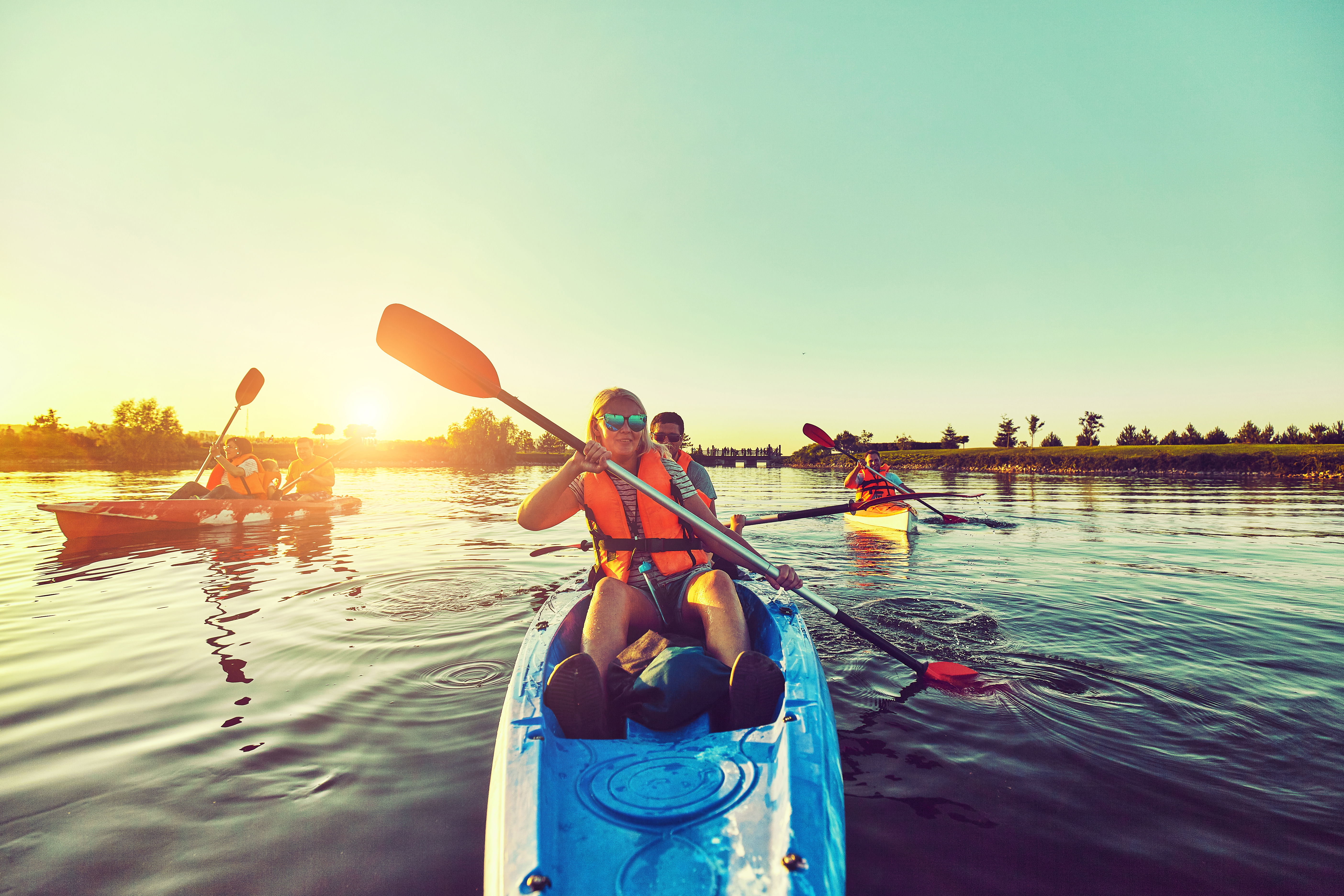
The calming effect of water and the rhythmic nature of paddling or rowing can also reduce stress and anxiety. Being in nature, surrounded by the soothing sounds of water, helps individuals disconnect from daily stresses and fosters a sense of peace and relaxation. This therapeutic aspect is invaluable for mental health, providing a natural way to manage stress and improve overall mood.
Social Inclusion and Community Building
Perhaps one of the most critical aspects of aquatic sports is their role in promoting social inclusion and community building. These activities offer opportunities for individuals with disabilities to connect with others, participate in team events, and build lasting friendships. The sense of camaraderie and mutual support found in sports teams can break down social barriers, fostering a more inclusive and supportive community.
Adaptive sports programs and organizations are increasingly recognizing the importance of inclusivity in sports. Many programs are specifically designed to accommodate individuals with various disabilities, providing specialized equipment and trained instructors to ensure everyone can participate safely and effectively. These programs not only provide access to sport but also raise awareness about the abilities and potential of people with disabilities, challenging stereotypes and promoting greater acceptance and understanding within society.
Conclusion
Aquatic sports such as paddling, rowing, and canoeing offer a multitude of benefits for individuals with disabilities. They enhance physical health, improve mental well-being, and foster social inclusion, making them a vital component in the integration of people with disabilities into active life. By participating in these sports, individuals can experience the joy of movement, build confidence, and connect with a supportive community, ultimately leading to a more fulfilling and empowered life.